MicrobeGrower

- Dec 7, 2025
Why You’re Wasting Money on Nitrogen Fertilizer's
Most growers are stuck in the "Fertilizer Treadmill," believing they need to buy Nitrogen (N) when their soil already contains hundreds of pounds of it, just in an unavailable form. This is the Nutrient Lockout problem.
The solution isn't more chemical inputs; it's understanding the Protozoa-Nematode Loop or also know as the "Poop Loop".
The Core Mechanism: The Grazer Army
Your nitrogen is currently locked inside the bodies of Tier 1 organisms—bacteria and fungi—where it is immobilized. To release it as plant-available ammonium (NH4+), you must release the Tier 2 grazers: aerobic Protozoa and Bacterial-feeding Nematodes.
-
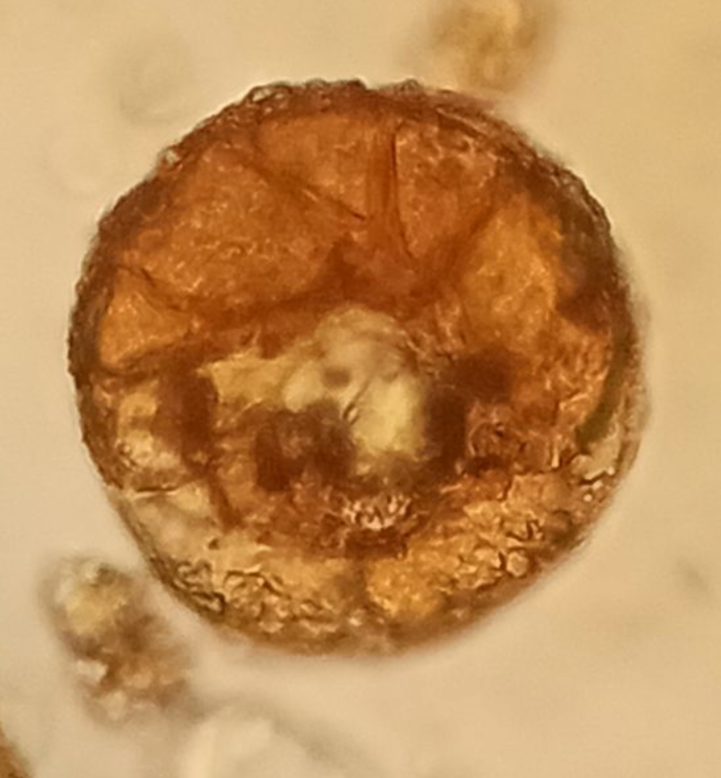
Protozoa (The Nitrogen Specialists): These single-celled organisms rapidly consume thousands of bacteria, excreting the excess nitrogen directly as plant-available (NH4+). This process, called mineralization, is how nature creates a steady, natural drip-feed of fertilizer for your plants.
-
The Phosphorus Dilemma: This same mechanism solves the Phosphorus (P) problem many growers face. Fortunately, Fungal-feeding Nematodes, graze on hyphae such as Arbuscular Mycorrhizal Fungi (AMF) and thousands of other fungal hyphae. This consumption forces the release of (P) and other trace minerals the soil fungus collects from insoluble rock dust and other minerals in the soil. It's the biological "release trigger" for your amendments.
Grower Hack: Creating a Microbe Sanctuary
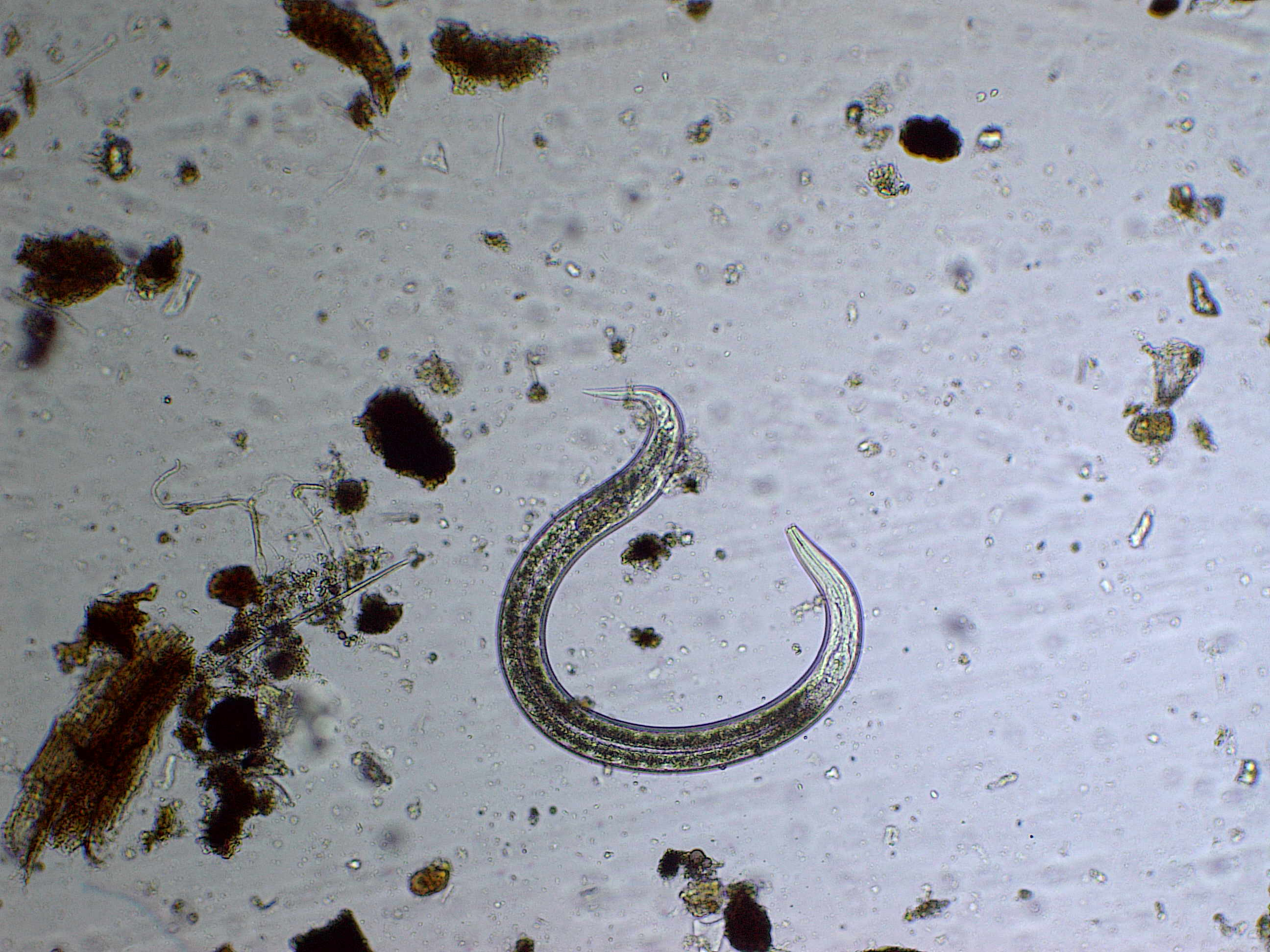
To guarantee consistent N and P release, create a predictable habitat for your microbes to flourish and graze and consume the overpopulation of bacteria and fungi in your soil. Apply a shallow layer (1-2 inches) high-quality finished compost right below your mulch. This "microbial environment" provides the stable, moist, and aerobic conditions where protozoa and nematode populations can explode, increasing mineralization in your topsoil right near your roots.
Beyond the Soil Test: Understanding the Living System Beneath Your Feet
Science-backed insights on soil biology, regenerative agriculture, and building living soil systems that reduce inputs while increasing yields.

More Than Mud: The Secret Life of Your Soil and How to Feed It
The soil ecosystem operates through specialized microbial guilds, each performing distinct ecological functions:

Unlocking Clay Soils: The Science of Flocculation and Calcium Management
When clay platelets lie flat against one another in tightly packed arrangements—a condition called dispersion—the microscopic pore spaces essential for air and water movement effectively disappear. Oxygen cannot penetrate to support root respiration or aerobic microbial activity.
Powdery Mildew Defense: Building a Living Fungal Shield Through Foliar Biology
Conventional fungicide programs require continuous investment with no reduction over time as resistance develops. Biological approaches involve lower long-term direct costs. Once beneficial populations establish, application frequency typically decreases while effectiveness increases, creating improving economics over successive seasons.

Natural Aphid Control: Building Your Garden's Defense Team
The sustainable solution lies not in sprays and chemicals, but in cultivating the natural predators that have controlled aphid populations for millions of years. By understanding and supporting these beneficial organisms, you can establish a self-regulating system that maintains aphids at manageable levels without constant intervention.