MicrobeGrower
Beyond the Soil Test: Understanding the Living System Beneath Your Feet
Science-backed insights on soil biology, regenerative agriculture, and building living soil systems that reduce inputs while increasing yields.

More Than Mud: The Secret Life of Your Soil and How to Feed It
The soil ecosystem operates through specialized microbial guilds, each performing distinct ecological functions:

Unlocking Clay Soils: The Science of Flocculation and Calcium Management
When clay platelets lie flat against one another in tightly packed arrangements—a condition called dispersion—the microscopic pore spaces essential for air and water movement effectively disappear. Oxygen cannot penetrate to support root respiration or aerobic microbial activity.
Powdery Mildew Defense: Building a Living Fungal Shield Through Foliar Biology
Conventional fungicide programs require continuous investment with no reduction over time as resistance develops. Biological approaches involve lower long-term direct costs. Once beneficial populations establish, application frequency typically decreases while effectiveness increases, creating improving economics over successive seasons.

Natural Aphid Control: Building Your Garden's Defense Team
The sustainable solution lies not in sprays and chemicals, but in cultivating the natural predators that have controlled aphid populations for millions of years. By understanding and supporting these beneficial organisms, you can establish a self-regulating system that maintains aphids at manageable levels without constant intervention.
- Jan 1
Powdery Mildew Defense: Building a Living Fungal Shield Through Foliar Biology
Powdery mildew represents one of the most persistent fungal diseases affecting gardens and agricultural operations worldwide. The white, powdery coating spreading across leaves signals more than a simple pathogen problem—it reveals fundamental deficiencies in the plant's biological defense systems. While conventional management relies on repeated fungicide applications that generate recurring costs and potential resistance issues, biological approaches offer sustainable, self-reinforcing protection that intensifies over time.
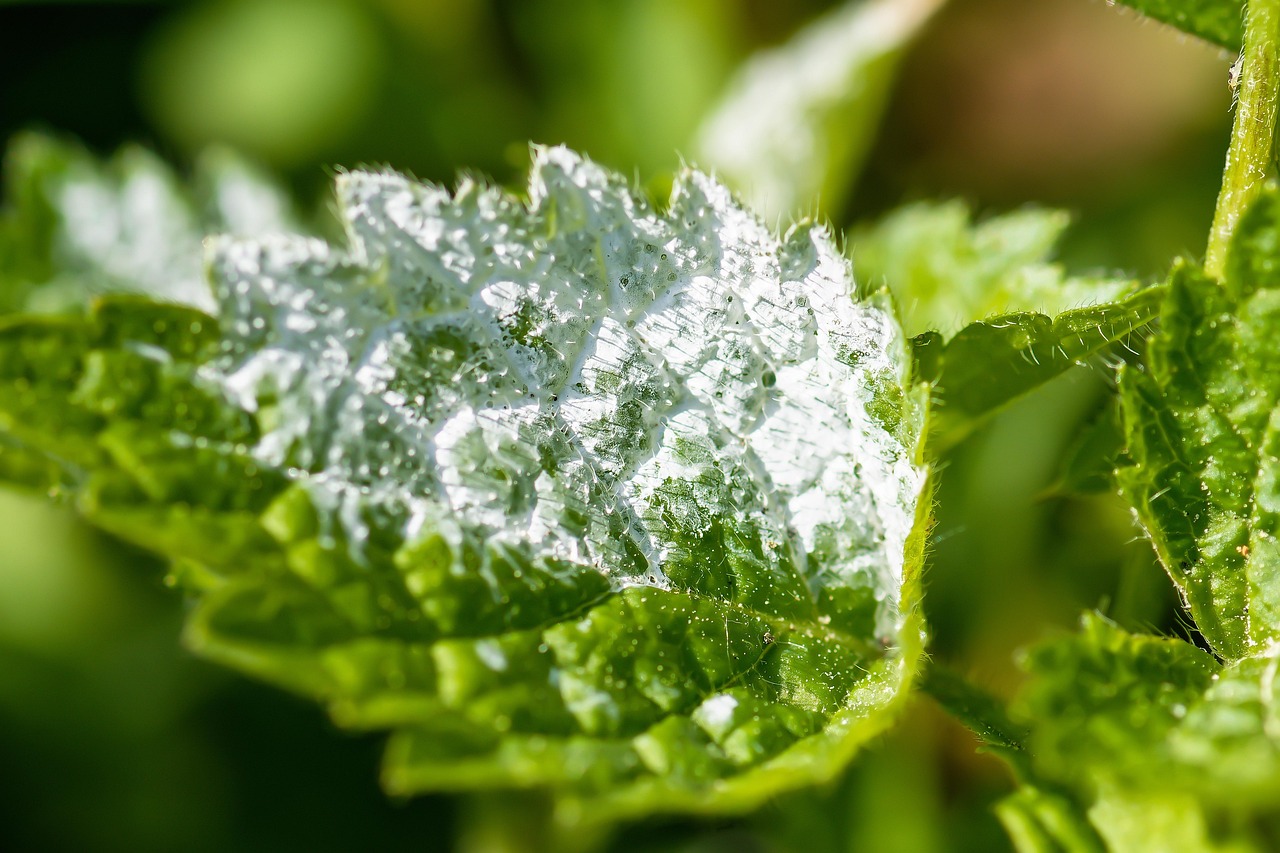
The difference lies in understanding that healthy leaf surfaces are never truly "empty"—they're either colonized by beneficial organisms that exclude pathogens, or they're vulnerable to whatever spores arrive first. Building dense populations of protective microorganisms on leaf surfaces creates what can be termed a "fungal shield"—a living barrier that prevents pathogen establishment through multiple complementary mechanisms.
The Science of Competitive Exclusion
Competitive exclusion operates on a straightforward principle: organisms occupying a niche prevent other organisms from establishing in that same space. On leaf surfaces—the phyllosphere—this means that beneficial fungi colonizing the microscopic landscape of stomata, trichomes, and waxy cuticle prevent pathogenic spores from finding the attachment points and resources necessary for infection.
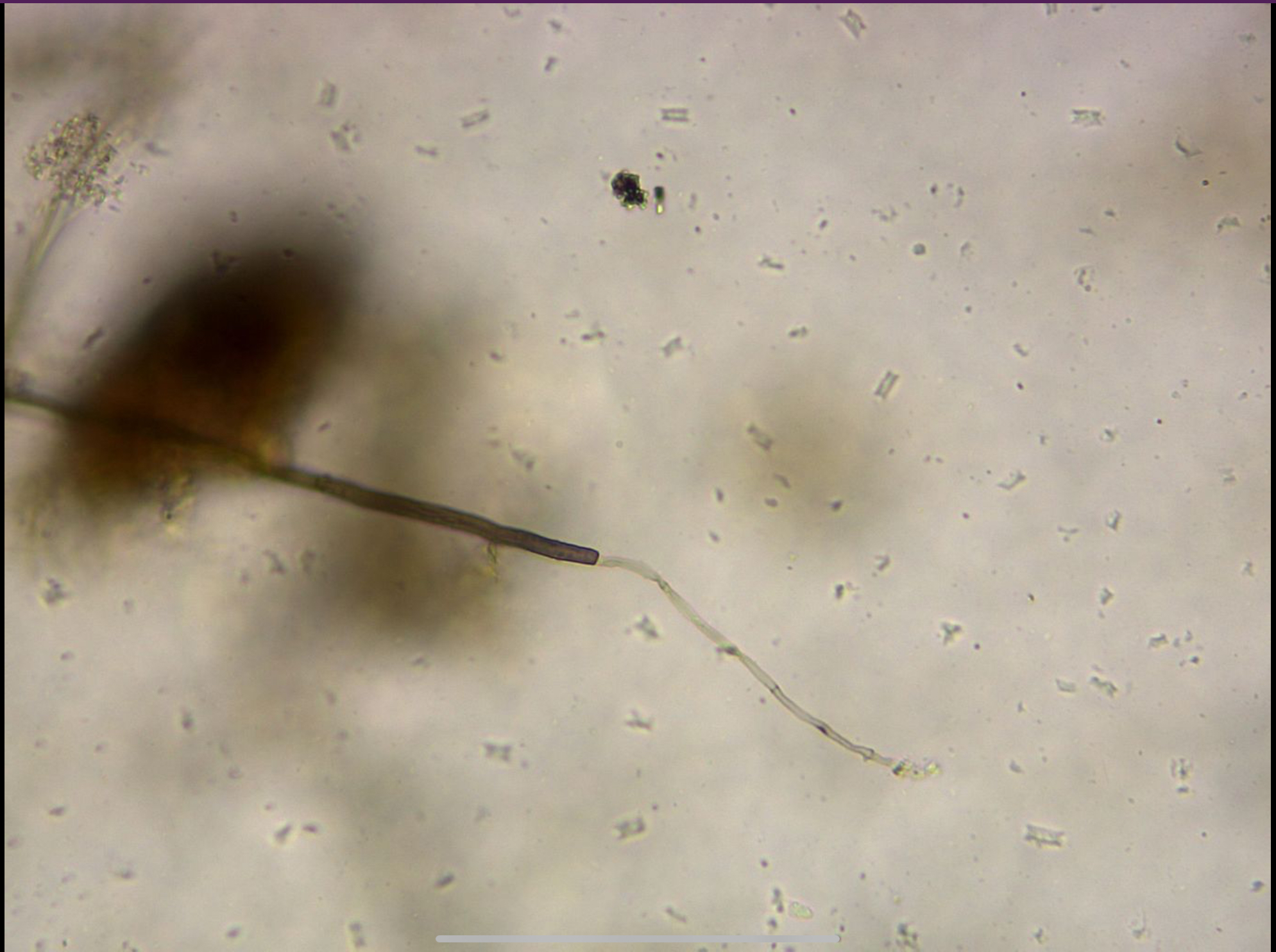
The process involves more than simple space occupation. Beneficial fungi actively suppress pathogens through several mechanisms that conventional fungicides cannot replicate.
Direct mycoparasitism occurs when beneficial fungi like Trichoderma species physically attack pathogenic fungi. Trichoderma hyphae grow toward pathogen hyphae through chemical sensing, then coil around them in characteristic patterns. Once attached, Trichoderma secretes cell-wall-degrading enzymes—chitinases, glucanases, and proteases—that literally digest the pathogen's structural components. Research documents Trichoderma species reducing powdery mildew incidence by 60-80% through these direct antagonistic interactions.
Resource competition denies pathogens the nutrients necessary for germination and growth. Beneficial organisms rapidly metabolize available carbon sources, amino acids, and other compounds that germinating pathogen spores require. This nutritional competition proves particularly effective against obligate parasites like powdery mildew, which possess limited saprophytic ability and depend on immediate access to plant resources.
Induced systemic resistance occurs when beneficial microorganisms trigger plant defense responses that provide broader protection. Plants recognize beneficial organisms through specific molecular patterns, responding by upregulating defense gene expression throughout the plant. This systemic protection enhances resistance not only to the targeted pathogen but often to multiple disease organisms simultaneously.
The cumulative effect creates layered defense that proves far more durable than chemical protection. Once established, beneficial populations persist, reproduce, and maintain protection continuously rather than degrading over days or weeks like chemical residues.
Formulating Fungal-Dominant Foliar Teas
Effective biological foliar protection requires specifically formulated compost teas that favor fungal populations over bacteria. While general-purpose compost teas provide benefits, powdery mildew suppression demands targeted formulations optimized for fungal multiplication and foliar application.

Base inoculant selection determines the biological composition of your final product. For powdery mildew control, source material should be fungally-dominated compost with visible mycelial networks and earthy, mushroom-like aroma. Finished compost from woody materials, aged leaf mold, or professionally-produced fungal composts provide superior starting populations compared to manure-based or rapidly-produced composts that favor bacteria.
High-quality soil food web inoculants containing concentrated populations of beneficial fungi, including Trichodermaspecies, provide excellent starting material for foliar tea production. These inoculants are specifically cultured to contain the organisms most effective for disease suppression.
Fungal food sources must be included to support population multiplication during brewing. Unlike bacterial foods (simple sugars like molasses), fungal foods consist of complex carbon compounds that fungi metabolize preferentially.
Fish hydrolysate (1-2 tablespoons per 5 gallons) provides proteins, lipids, and complex organic compounds that feed fungi while contributing minimal simple sugars
Liquid kelp (1-2 tablespoons per 5 gallons) supplies trace minerals, growth hormones, and complex polysaccharides
Humic acid (1 tablespoon per 5 gallons) provides aromatic carbon structures that support fungal metabolism
Brewing parameters for fungal teas differ from standard bacterial-focused teas:
Extended brewing time: 36-48 hours allows fungal hyphae to develop, compared to 24 hours for bacterial teas
Moderate aeration: Excessive turbulence damages delicate fungal structures; gentler airflow maintains oxygen while protecting hyphae
Temperature control: 65-72°F optimizes fungal growth; warmer temperatures favor bacteria
Surfactants prove essential for foliar applications because leaf surfaces naturally repel water. Without surfactants, tea beads up and rolls off leaves, delivering organisms primarily to soil rather than target surfaces.
Yucca extract (1-2 tablespoons per 5 gallons) provides natural saponins that reduce surface tension while contributing additional plant-beneficial compounds
Biological surfactants specifically formulated for agricultural use ensure coverage without harming microorganisms
The properly formulated fungal tea should show visible fungal development—wispy strands or film on the water surface—and smell earthy and mushroom-like. Any sour or putrid odors indicate bacterial dominance or anaerobic conditions; discard and reformulate.
Application Technique: Preserving Biological Viability
The most carefully brewed tea provides no benefit if application methods kill organisms before they reach target surfaces. Unfortunately, standard spraying equipment and practices often destroy the very biology you've cultivated.
Pressure limitations prove critical. Conventional sprayers operate at 40-100+ PSI, forcing liquid through small nozzle openings at velocities that shear fungal hyphae, rupture bacterial cells, and damage protozoa. For biological applications, limit pressure to 20-30 PSI maximum. This requires larger nozzle openings and accepts coarser droplet size, but preserves organism viability.
Nozzle selection must accommodate the physical size of beneficial organisms. Standard fine-mist nozzles have openings of 0.1-0.5mm—smaller than many fungal hyphae and certainly smaller than beneficial nematodes. Use flood or fan nozzles with 1-2mm openings that allow organisms to pass through intact. The resulting spray pattern delivers larger droplets but ensures living organisms reach leaf surfaces.
Application timing must account for environmental conditions affecting microbial survival. UV radiation damages or kills many microorganisms within minutes of exposure. Apply during early morning (before 8 AM) or evening (after 6 PM) when UV intensity is minimal. Humidity also matters—organisms establish better on leaves when relative humidity exceeds 60%, as dry conditions desiccate cells before they can colonize leaf surfaces.
Coverage thoroughness determines protection effectiveness. Powdery mildew spores can germinate anywhere on leaf surfaces, so incomplete coverage leaves vulnerable zones for infection. Spray both upper and lower leaf surfaces until just before runoff. Focus particularly on lower leaf surfaces where stomatal density is highest and where powdery mildew often initiates.
Establishing and Maintaining the Fungal Shield
Single applications provide temporary benefit, but sustained protection requires establishing self-perpetuating populations of beneficial organisms on plant surfaces.
Initial establishment benefits from weekly applications for 3-4 weeks, particularly when treating plants with existing disease pressure or no previous biological protection. This intensive schedule builds population density rapidly, outcompeting any pathogenic organisms present.
Maintenance schedule after establishment typically requires applications every 2-3 weeks during conditions favoring disease development. During cool, humid periods when powdery mildew pressure increases, maintain more frequent applications. During hot, dry conditions when mildew pressure decreases, extend intervals.
Environmental support for phyllosphere organisms enhances persistence between applications. Avoid broad-spectrum fungicides, bactericides, or harsh foliar fertilizers that kill beneficial populations. Maintain adequate plant nutrition—particularly calcium and silicon—that supports strong cell walls less susceptible to penetration. Ensure adequate air circulation reduces prolonged leaf wetness that can favor pathogenic over beneficial organisms.
Integrating Foliar Biology with Soil Health
While foliar applications address aboveground disease pressure, the most resilient systems integrate phyllosphere management with soil biological health. Healthy soil biology supports plant immune function through multiple pathways.
Plants growing in biologically active soil with robust mycorrhizal colonization, diverse bacterial populations, and balanced nutrient cycling demonstrate systemic resistance to foliar diseases including powdery mildew. The mechanisms involve both improved nutrition—particularly micronutrients essential for defense compound synthesis—and biological signaling that primes plant immune responses.
This integration means that foliar tea applications work synergistically with soil-focused practices: composting, cover cropping, reduced tillage, and diverse rotations. The biological populations in soil and phyllosphere communicate and support one another, creating multilayered disease resistance that proves far more robust than either approach alone.
Beyond Powdery Mildew: Broad-Spectrum Disease Suppression
While this discussion focuses on powdery mildew, fungal-dominant foliar teas suppress numerous foliar diseases through similar mechanisms. Early blight, late blight, anthracnose, downy mildew, and bacterial leaf spots all respond to competitive exclusion by beneficial organisms. The specific organisms and optimal formulations may vary by pathogen, but the fundamental approach—establishing dense beneficial populations that exclude pathogens—applies broadly.
This represents a significant economic and operational advantage. Rather than maintaining inventories of pathogen-specific fungicides and tracking application schedules for multiple products, biological approaches use similar or identical formulations across disease management needs. The simplified management, reduced input costs, and elimination of resistance concerns provide compelling practical benefits alongside environmental advantages.
The Economics of Biological vs. Chemical Disease Management
Conventional fungicide programs for powdery mildew control typically require 7-14 applications per season at costs of $20-50 per acre per application, totaling $140-700 annually. These programs require continuous investment every season indefinitely, with no reduction over time and increasing costs as resistance develops and products lose efficacy.
Biological foliar tea programs involve lower direct costs—ingredients for 5 gallons of tea cost $5-10 and treat substantial areas. The primary investment is brewing equipment (one-time, $50-150) and time for brewing and application. Once beneficial populations establish, application frequency decreases while effectiveness increases, creating improving economics over successive seasons.
More significantly, biological approaches avoid the hidden costs of chemical dependency: resistance management, off-target impacts on beneficial insects and soil organisms, potential residue issues affecting marketability, and regulatory compliance burdens. These avoided costs often exceed the direct savings from reduced purchase expenses.
Taking Action: Building Your Fungal Shield
Transitioning from chemical to biological disease management requires commitment to understanding living systems rather than simply applying products. The learning curve exists, but the resulting management autonomy and system resilience justify the investment.
1. Custom Foliar Tea Formulation & Brewing TrainingLearn to formulate and brew disease-suppressing foliar teas specifically for your crops and disease pressures. This hands-on consultation includes microscopy analysis of your tea quality, troubleshooting brewing problems, and optimized recipes for your specific needs. Includes written protocols and follow-up support through your first applications. [Schedule Training Session]
2. Integrated Foliar Disease Suppression ProgramReceive season-long support for transitioning from chemical to biological disease management. This comprehensive service includes baseline disease assessment, customized tea formulations, application timing protocols, ongoing microscopy monitoring of biological establishment, and responsive troubleshooting. Work directly with a biological specialist to achieve reliable disease control naturally. [Enroll in Program]
3. On-Farm Disease Management WorkshopBring practical biological disease control training directly to your operation. This half-day intensive covers foliar tea brewing, application techniques, equipment selection, integration with soil health practices, and season-long management planning. Includes group microscopy training and individualized recommendations for each participant. Perfect for producer groups or farm teams. [Book Workshop]Stop the expensive cycle of repeated fungicide applications. Build biological disease resistance that strengthens rather than degrades over time.