MicrobeGrower
- Dec 7, 2025
The Role Microorganisms Play in Soil Health
Soil health is fundamental to sustainable agriculture, ecosystem stability, and food security. Among the many factors that influence soil health, microorganisms play a crucial role in maintaining and enhancing soil fertility and structure. This article delves into the contributions of bacteria, fungi, and other microbes, highlighting their importance in the soil ecosystem.
Understanding Soil Microorganisms
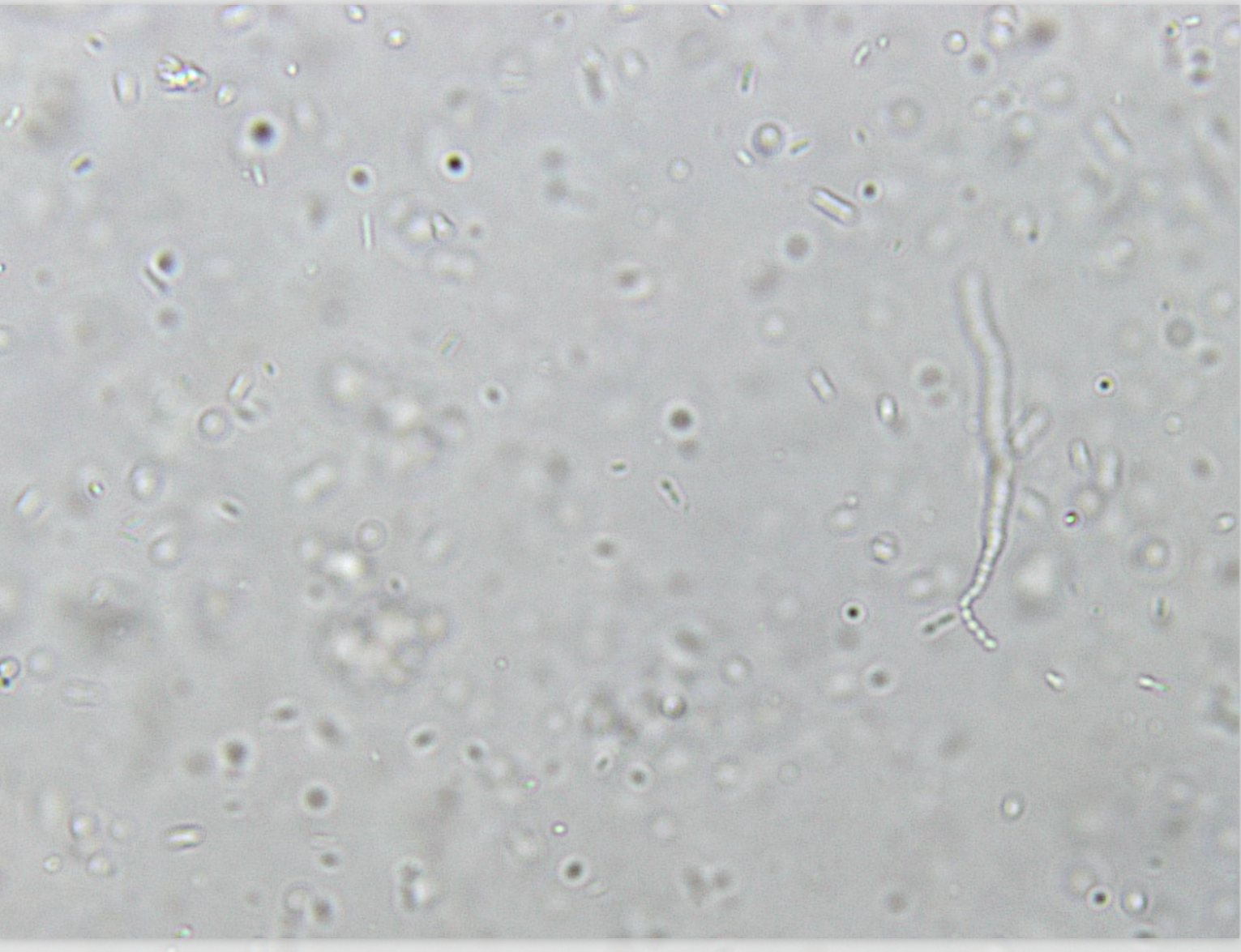
Soil is a complex habitat teeming with life. It contains an array of microorganisms, including bacteria, fungi, protozoa, and nematodes. These organisms, though microscopic, are vital for nutrient cycling, organic matter decomposition, and the overall functioning of soil ecosystems. The diversity of microorganisms in the soil is astonishing, with estimates suggesting that a single teaspoon of healthy soil can contain billions of bacteria and thousands of fungal species.
Contributions to Soil Fertility
One of the primary roles of soil microorganisms is their contribution to soil fertility. They facilitate essential processes such as nutrient cycling, which is critical for plant health. Key functions include:
Nutrient Mineralization: Microorganisms break down organic matter, releasing nutrients such as nitrogen, phosphorus, and potassium in forms that plants can readily absorb. Bacteria are especially important in nitrogen cycling, where they convert atmospheric nitrogen into ammonia through a process known as nitrogen fixation. This process is crucial for plant growth, as nitrogen is a key component of amino acids, proteins, and nucleic acids.
Decomposition: Fungi, particularly saprophytic fungi, play a vital role in the decomposition of complex organic materials, such as dead plant and animal matter. This decomposition process not only recycles nutrients back into the soil but also contributes to the formation of humus, a stable organic matter that improves soil structure and water retention.
Mycorrhizal Associations: Mycorrhizal fungi form symbiotic relationships with plant roots, extending their hyphae (fungal filaments) into the soil. This partnership enhances the plant's ability to absorb water and nutrients, particularly phosphorus. In return, the plant supplies the fungi with carbohydrates produced through photosynthesis. This mutualistic relationship significantly increases plant growth and resilience.
Biological Nitrogen Fixation: Certain bacteria, such as those in the genus Rhizobium, form nodules on the roots of leguminous plants. Inside these nodules, bacteria convert atmospheric nitrogen into ammonia, which the plant can utilize. This process is essential for maintaining soil fertility, particularly in crop rotations that include legumes.
Enhancing Soil Structure
Beyond nutrient cycling, microorganisms also contribute to the physical properties of soil, particularly its structure. Soil structure refers to the arrangement of soil particles and the spaces between them, influencing water infiltration, aeration, and root penetration.
Beyond the Soil Test: Understanding the Living System Beneath Your Feet
Science-backed insights on soil biology, regenerative agriculture, and building living soil systems that reduce inputs while increasing yields.

More Than Mud: The Secret Life of Your Soil and How to Feed It
The soil ecosystem operates through specialized microbial guilds, each performing distinct ecological functions:

Unlocking Clay Soils: The Science of Flocculation and Calcium Management
When clay platelets lie flat against one another in tightly packed arrangements—a condition called dispersion—the microscopic pore spaces essential for air and water movement effectively disappear. Oxygen cannot penetrate to support root respiration or aerobic microbial activity.
Powdery Mildew Defense: Building a Living Fungal Shield Through Foliar Biology
Conventional fungicide programs require continuous investment with no reduction over time as resistance develops. Biological approaches involve lower long-term direct costs. Once beneficial populations establish, application frequency typically decreases while effectiveness increases, creating improving economics over successive seasons.

Natural Aphid Control: Building Your Garden's Defense Team
The sustainable solution lies not in sprays and chemicals, but in cultivating the natural predators that have controlled aphid populations for millions of years. By understanding and supporting these beneficial organisms, you can establish a self-regulating system that maintains aphids at manageable levels without constant intervention.