MicrobeGrower
- Dec 1, 2025
Are You Killing Your Own Compost? (3 Mistakes to Avoid)
The single biggest barrier to achieving regenerative yields is using biologically incomplete compost. Most compost piles are excellent bacterial food sources, but they are hostile to the crucial fungal networks you need for structure and long-term fertility. If your finished compost is slimy, smells sour, or lacks thick, white fungal strands, you are essentially killing your own fertilizer.
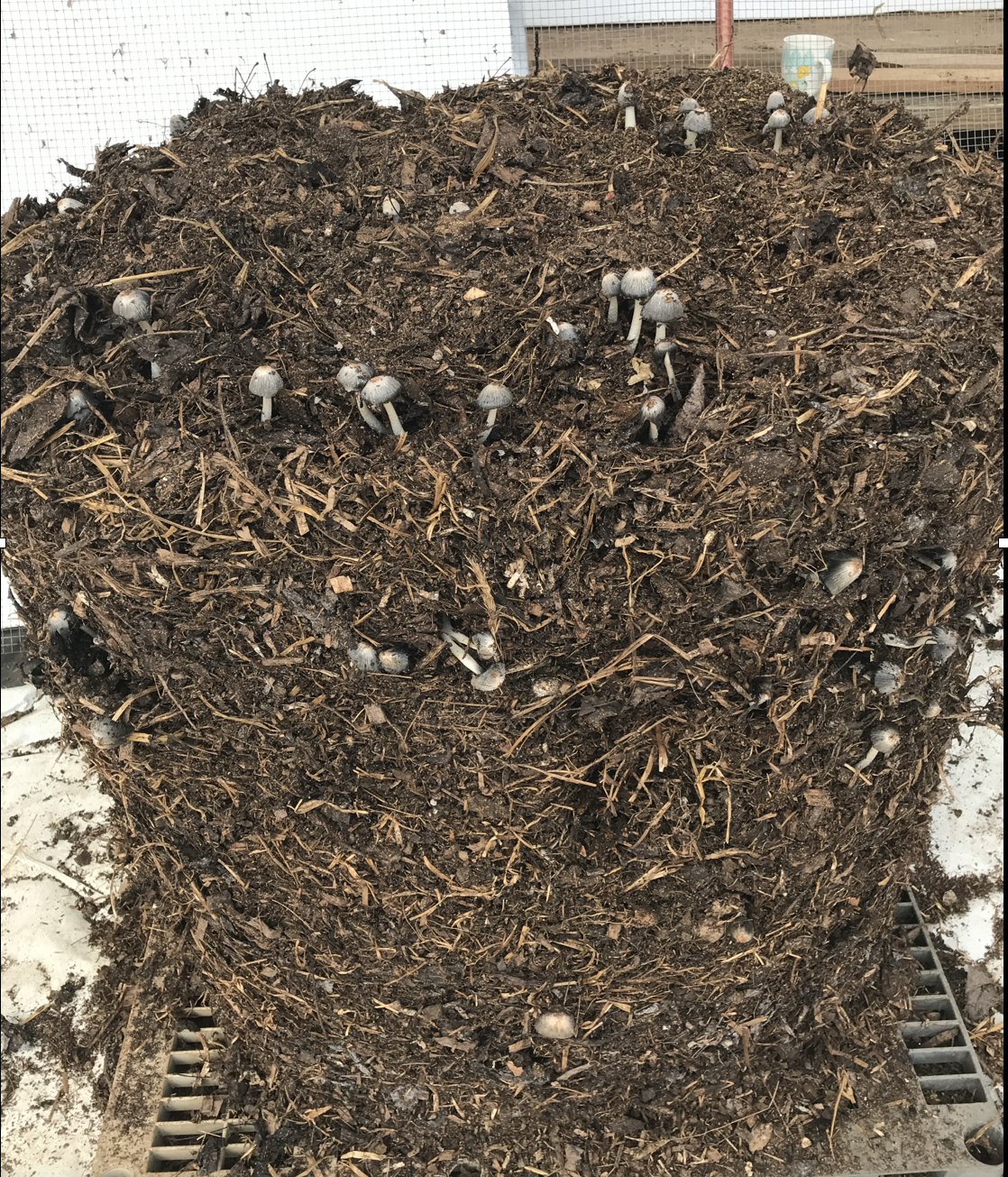
The Core Mechanism: Anaerobic Traps
Your compost pile's biological quality is entirely dependent on maintaining aerobic (oxygen-rich) conditions.
Mistake 1: The Sour Smell: A rotten, sour, or putrid odor means you've gone anaerobic. The fungi are dying, and the bacteria are stressed. Correction: Immediate aeration and turning are required.
Mistake 2: Ignoring C:N Ratios: Fungal growth is driven by high-lignin, complex carbon sources like wood chips, bark, and straw. If you only use low-C:N materials like green grass clippings or fresh manure, you are creating a bacterial-dominant bomb that fuels weeds. Correction: Balance your C:N ratio by adding high-carbon brown materials.
Mistake 3: Shredding the Fungi: Tillage (or over-blending your compost extract) physically shreds the delicate fungal hyphae. Fungi are the slowest to reproduce, so once destroyed, recovery is long. Correction: Use gentle mixing/stirring and minimal soil disturbance.
Grower Hack: The Fish/Humic Catalyst
To ensure your compost brew or pile is maximizing fungal growth, introduce the Fungal Feed. Liquid amendments high in complex carbon act as a targeted catalyst. A mix of Fish Hydrolysate (low salt index) and liquid Humic Acidprovides the long-chain fats and humic/fulvic acids that fungi prefer, encouraging them to establish robust networks.
💰 Strategic Paywall / Call to Action
Tagging: [High-Value Humus] [Compost Mastery]
Call to Action: You now know the three biggest mistakes that kill fungal networks. But do you know the perfect recipe? Our premium Module 2: The Biological Engine covers Precision Carbon-to-Nitrogen Ratios for Quality Compostand reveals the Advanced Aeration Techniques for scaling high-fungal production safely. Stop wasting time turning piles that don't perform.
Subscribe today and get the exact recipe and method to consistently build high-quality biological fertilizer for free!
Beyond the Soil Test: Understanding the Living System Beneath Your Feet
Science-backed insights on soil biology, regenerative agriculture, and building living soil systems that reduce inputs while increasing yields.

More Than Mud: The Secret Life of Your Soil and How to Feed It
The soil ecosystem operates through specialized microbial guilds, each performing distinct ecological functions:

Unlocking Clay Soils: The Science of Flocculation and Calcium Management
When clay platelets lie flat against one another in tightly packed arrangements—a condition called dispersion—the microscopic pore spaces essential for air and water movement effectively disappear. Oxygen cannot penetrate to support root respiration or aerobic microbial activity.
Powdery Mildew Defense: Building a Living Fungal Shield Through Foliar Biology
Conventional fungicide programs require continuous investment with no reduction over time as resistance develops. Biological approaches involve lower long-term direct costs. Once beneficial populations establish, application frequency typically decreases while effectiveness increases, creating improving economics over successive seasons.

Natural Aphid Control: Building Your Garden's Defense Team
The sustainable solution lies not in sprays and chemicals, but in cultivating the natural predators that have controlled aphid populations for millions of years. By understanding and supporting these beneficial organisms, you can establish a self-regulating system that maintains aphids at manageable levels without constant intervention.