MicrobeGrower
Beyond the Soil Test: Understanding the Living System Beneath Your Feet
Science-backed insights on soil biology, regenerative agriculture, and building living soil systems that reduce inputs while increasing yields.

More Than Mud: The Secret Life of Your Soil and How to Feed It
The soil ecosystem operates through specialized microbial guilds, each performing distinct ecological functions:

Unlocking Clay Soils: The Science of Flocculation and Calcium Management
When clay platelets lie flat against one another in tightly packed arrangements—a condition called dispersion—the microscopic pore spaces essential for air and water movement effectively disappear. Oxygen cannot penetrate to support root respiration or aerobic microbial activity.
Powdery Mildew Defense: Building a Living Fungal Shield Through Foliar Biology
Conventional fungicide programs require continuous investment with no reduction over time as resistance develops. Biological approaches involve lower long-term direct costs. Once beneficial populations establish, application frequency typically decreases while effectiveness increases, creating improving economics over successive seasons.

Natural Aphid Control: Building Your Garden's Defense Team
The sustainable solution lies not in sprays and chemicals, but in cultivating the natural predators that have controlled aphid populations for millions of years. By understanding and supporting these beneficial organisms, you can establish a self-regulating system that maintains aphids at manageable levels without constant intervention.
- Jun 27
5 Reasons You Should Thermal Compost
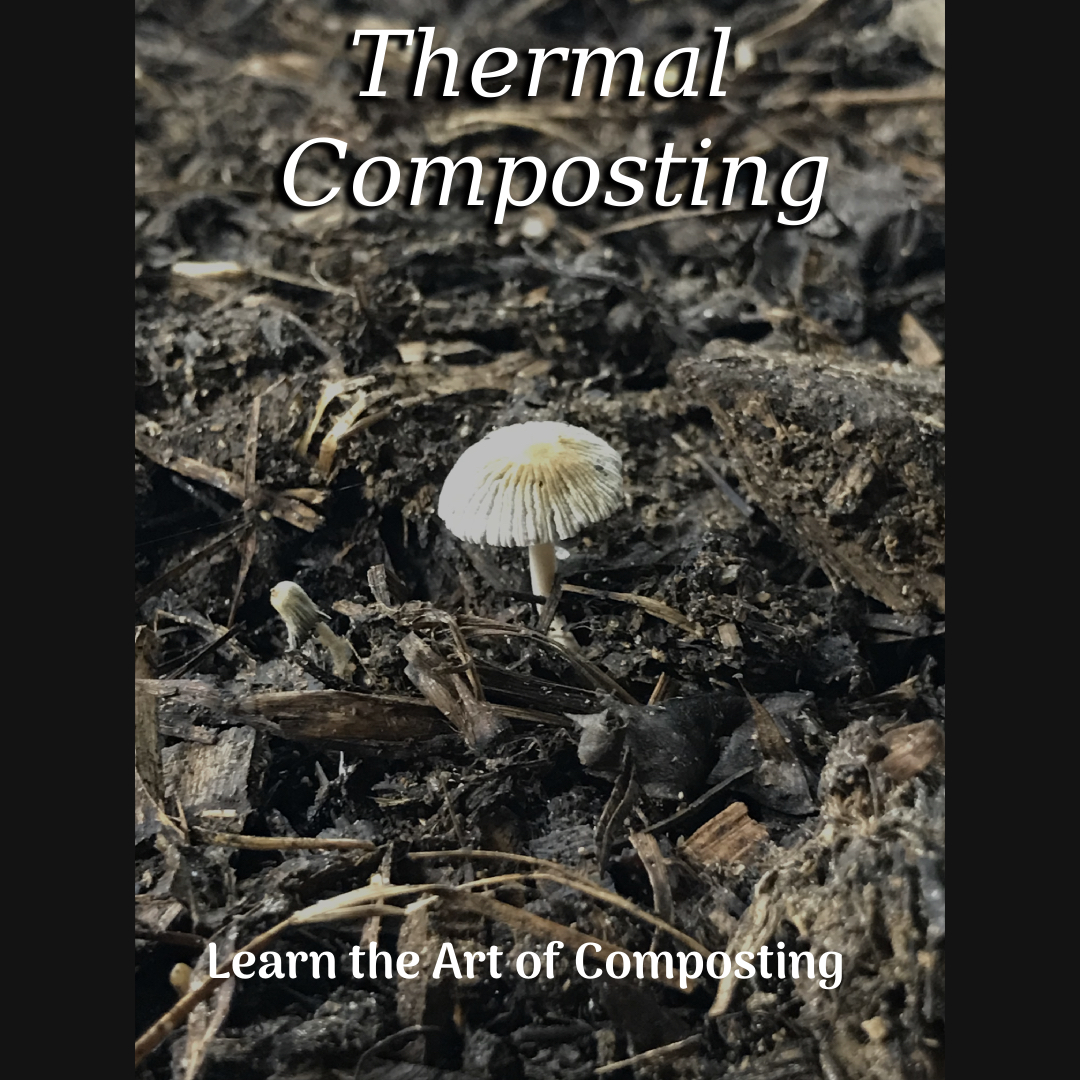
Thermal composting is the practice of building a compost pile that reaches and maintains internal temperatures between 130 and 160 degrees Fahrenheit for several weeks. Unlike cold composting, which allows organic matter to slowly decompose at ambient temperature, thermal composting produces a finished product that is sanitized, weed-seed free, and biologically dense with the bacteria, fungi, protozoa, and nematodes that drive nutrient cycling in healthy soil. According to Soil Food Web research developed by Dr. Elaine Ingham, properly thermal composted material functions as a biological inoculant that restores soil microbial communities and improves plant available nutrient cycling. This article explains the five primary reasons growers should thermal compost rather than rely on cold pile decomposition.
I run a thermal pile on my homestead in Maine. Cooking compost at 130 to 160 degrees for weeks does things that cold composting cannot. Here are the five reasons it is worth the effort.
1. It kills parasites and plant pathogens
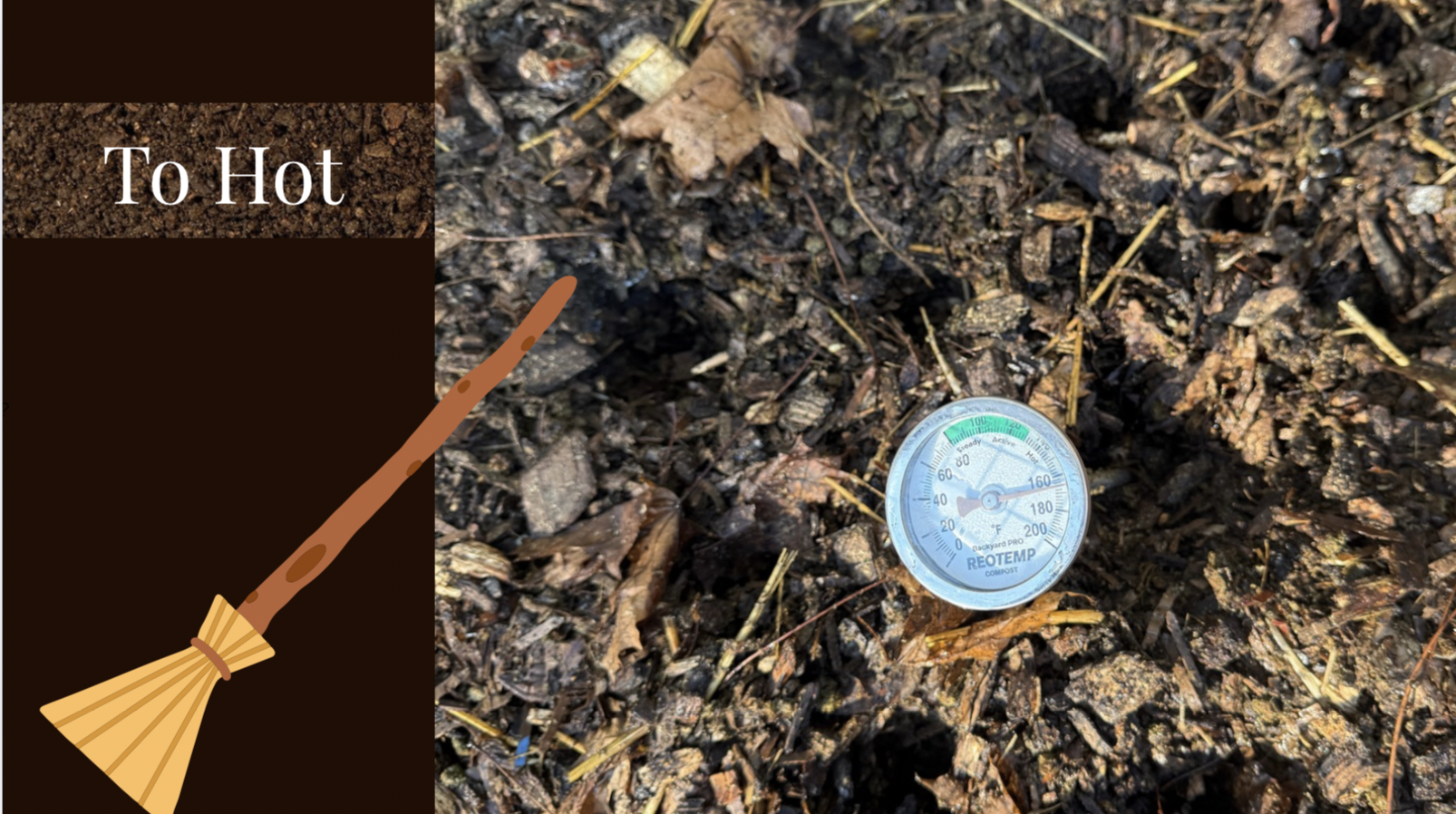
When a thermal pile hits and holds high heat, it cooks out the bad actors. Parasites that hitched a ride on food scraps or manure do not survive. Plant pathogens like fusarium and phytophthora get neutralized. This matters because cold compost preserves whatever was in your inputs. Thermal compost cleans it up.
2. It sterilizes weed seeds
Every gardener has had that moment of dumping a wheelbarrow of finished compost on a bed and watching weeds explode out of it a month later. That is cold compost handing you back every seed you fed it. Thermal heat destroys weed seeds in the pile, which means you are spreading fertility, not next year's weed problem.
3. It keeps scavengers away

A hot pile is an inhospitable place for raccoons, rats, opossums, and dogs. They do not dig into something steaming at 150 degrees. Cold piles are buffets. Thermal piles take care of themselves. For anyone who has lost a pile to wildlife or had to fence it off, this alone is worth the work.
4. It builds the microbial system your garden actually needs
This is the one most people miss. The heat phase is not just sanitization. It is what selects for and grows the bacteria and fungi that drive nutrient cycling in healthy soil. A finished thermal pile is dense with the biology your garden is missing. You are not just making fertilizer. You are growing the workforce.
5. It stabilizes nutrient cycling in your soil
Once you apply a biologically complete thermal compost, the organisms in it start doing their job. Bacteria, fungi, protozoa, and nematodes break down the reserves already in your soil and release nutrients in plant available forms, exactly when your plants ask for them. This is what people mean when they say good compost feeds the soil instead of the plant. The compost is the inoculation. Your soil does the rest.
The bottom line
Thermal composting takes more work than tossing scraps in a corner. You have to build the pile correctly, get the carbon to nitrogen ratio right, monitor temperatures, and turn it on schedule. But what comes out the other end is not the same product as a cold pile, no matter how patient you are. It is cleaner, safer, and biologically alive in a way that actually changes your soil.
If you want to learn how to build, manage, and harvest a thermal compost pile from scratch, my full Thermal Composting Course walks you through every step. Click here to enroll.
https://www.microbegrower.com/thermal-composting
Don't just grow plants. Grow microbes.
Wendy ~